The first time I read Pat Elsberry’s wonderfully comforting When Scars Become Stories, I likened her to the poet Vergil, who accompanied Dante through the torments of his famous Inferno. Upon re-reading her as she guides us through the grief journey, as she puts the experience of losing a loved one and its aftermath, I see that my initial comparison missed the mark.
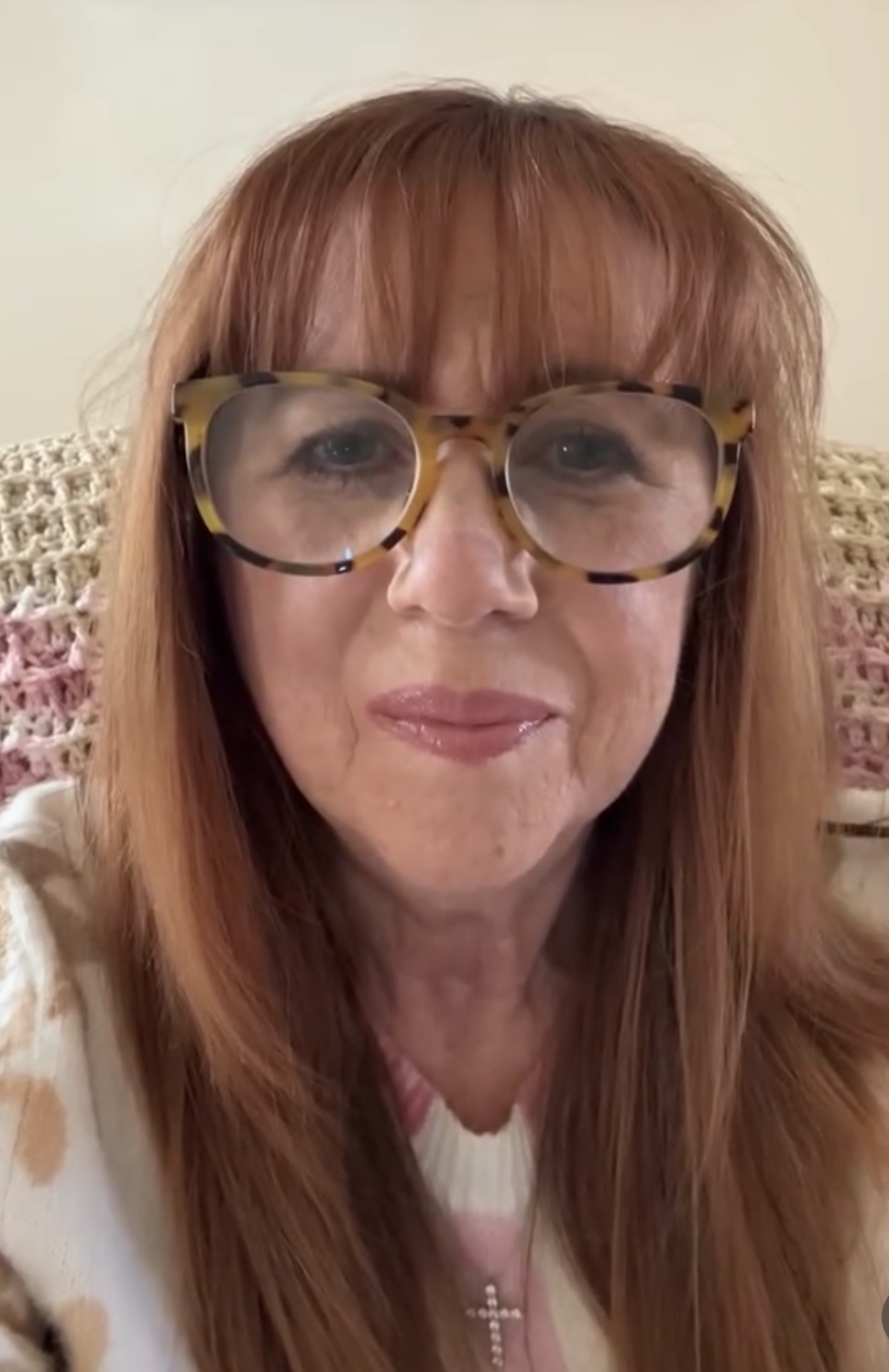
Vergil knew what to expect in the Inferno, but he had never been through it, never endured those awful punishments. But Pat Elsberry has been there. She suffered the wrenching loss of an adult daughter several years ago. She takes our hand and tells us what to expect, what we feel, how to accept those myriad feelings and how to cope – because she has done it all herself.
Also, the first time I read the book, I went straight through it in just a couple of sittings. It’s only 200 pages, broken up into 50 short chapters, each of which includes a summary reflection and a concluding prayer. However, reading it straight through is not the way to do it. Instead, make one chapter a part of your early-morning routine each day. That’s what I do, and that’s how I believe you can derive the greatest guidance and comfort from Pat.
Prayers, spiritual readings, grateful reflections on life already lived and on life yet to come – they’re all part of my own grief journey, now of more than six years’ duration. And I’m most appreciative to now have Pat Elsberry’s wisdom and strong faith in God to accompany me.
Perhaps a sample of Pat’s own words can tell it better. The following passage captures the essence of When Scars Become Stories, in my opinion. It’s from Chapter 13, whose title coincidentally is the same as that of the entire book:
“There are times when I look at the scars of my grief and feel the ache of loss all over again. They are tender reminders of a story I would never have chosen. But there are also times when I look at them and see beauty – a reminder that God has carried me, sustained me, and is weaving my story into something bigger that I can see. My scars have allowed me to connect with others in ways I could never have otherwise. They give me language to comfort those whose wounds are still raw, to say, ‘You are not alone. I have walked this road too, and God is with us.’
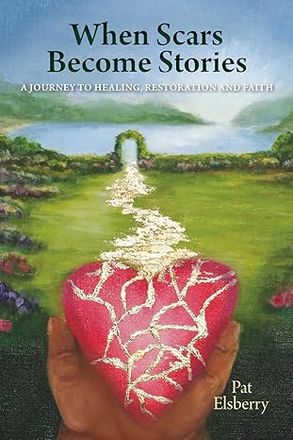
“When scars become stories, they become gifts. They allow us to give away the comfort we ourselves have received. They allow us to bear witness to God’s faithfulness, to shine light into someone else’s darkness, and to remind the world that healing is possible.”
I can say unreservedly that those who are bereaved, whether recently or in years gone by, will find in When Scars Become Stories a renewed perspective and hope for the rest of their earthly journey, a hope that will sustain them until they are reunited with their loved ones in eternity.


 Veteranscribe's Blog